
Pakistan’s Secret Tehran Mission Brokers US-Iran Peace as Historic Israel-Lebanon Ceasefire Launches First Talks Since 1983
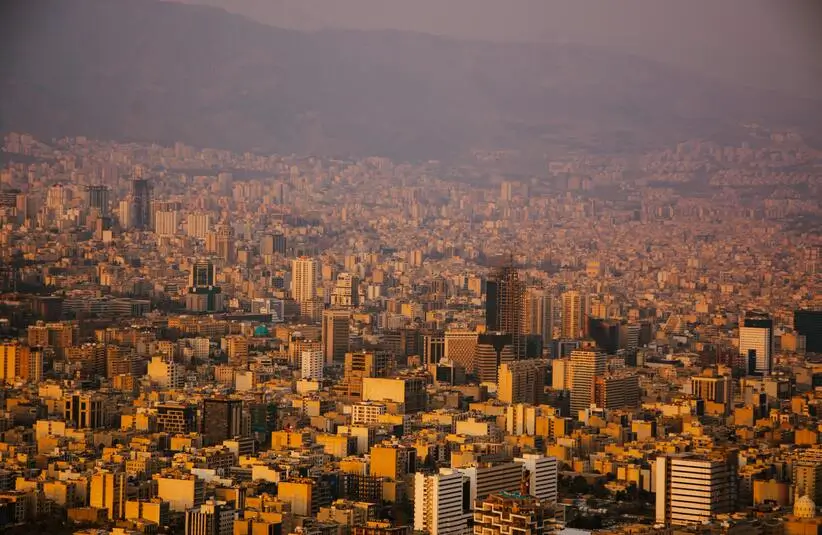
As Wednesday, April 15, 2026, began, a meeting in Tehran happened as the global stage was in a state of controlled chaos. While the Strait of Hormuz was a point of naval tension and the London Stock Exchange Group showed ships leaving the Strait of Hormuz past the U.S. blockade, something more delicate was happening in the background. Negotiations between Iran and the U.S. were being brokered by Pakistani delegates as they solidified their role as mediators between the two nations. Likewise, it would seem the U.S. has positioned itself as the peace-broker between Israel and Lebanon.
Diplomacy was woven quietly before the agreements were made public. With the stakes high, the world watched as oil prices fluctuated throughout the day, caused by strain on the global economy.
Hidden Deals In Tehran
In an effort to quell the high-stakes situation in the Strait of Hormuz, Pakistan’s Army Chief, Asim Munir, went to Tehran, Iran, on Wednesday, where he was greeted by Foreign Minister Abbas Araghchi. These discussions were of key importance as the weak ceasefire, made tense by naval operations in the Strait of Hormuz, was barely hanging on with the deadline set for April 22, 2026. As Pakistan has developed impressive diplomatic relations with both key players, they were integral to getting the prospect of peace talks on the table between the U.S. and Iran. If they couldn’t reach an agreement soon and the ceasefire agreement lapsed, both sides would be liable to start missile and drone attacks again.
While the last round of negotiations did not sit well with Iran, as they refused to back down on their nuclear program and rights to develop nuclear arms, Pakistan sought to find common ground for tensions to become less strained. Vice President JD Vance reiterated the goal of those involved against Iran, for them not to look for the tools needed to create nuclear arms. While the U.S. blockade was in place to stop trading from coming in or out of Iranian territory, Iran’s response was a deliberate warning of retaliation against other shipping routes, should the U.S. continue to hold the Strait of Hormuz from opening.
The Persian Gulf, the Gulf of Oman, and the Red Sea would be in a state of lockdown if the U.S. did not back down. This move could choke the global energy supply from either side, throwing the rest of the world into further turmoil and chaos.
Ceasefire And Diplomacy
According to reporting through WWNO, via NPR, President Donald Trump had favorable opinions on negotiations; it had been agreed that they would return nuclear dust from underground caused by B-2 bombers. This agreement led to an optimistic outlook for potential discussions. However, Iran refused to engage in negotiations until Israel agreed to a ceasefire in Lebanon. Shortly after talks of de-escalation had concluded, President Donald Trump announced on Truth Social on Thursday, April 16, 2026, that Lebanese President Joseph Aoun and Prime Minister Benjamin Netanyahu would engage in a 10-day ceasefire. Set to begin at 5 p.m. EDT, both leaders had agreed that the ceasefire was essential in order to achieve peace.
President Donald Trump said that the two leaders would be meeting with the Secretary of State, Marco Rubio, in conjunction with Vice President JD Vance, Chairman of the Joint Chiefs of Staff, Dan Razin’ Caine. They would work with Israel and Lebanon to reach an agreement on lasting peace between the two. The meeting would be the first time the two nations came together for meaningful talks since 1983, highlighting the high level of importance of this 43-year overdue meeting. This would pave the way forward for the negotiation table and future talks of peace.
With Israel and Lebanon both agreeing to the ceasefire, Israel was still warily keeping its forces in southern Lebanon. Hezbollah also accepted the ceasefire but wanted Lebanese civilians to remain in place, fearing returning home could potentially be dangerous. The Israeli military would take action if they feel threatened, and Lebanese civilians returning home in southern Lebanon could be seen as an act of aggression while the military is stationed there to hold the buffer zone. They do not, however, have a favorable view of the potential for talks between Lebanon and Israel.
